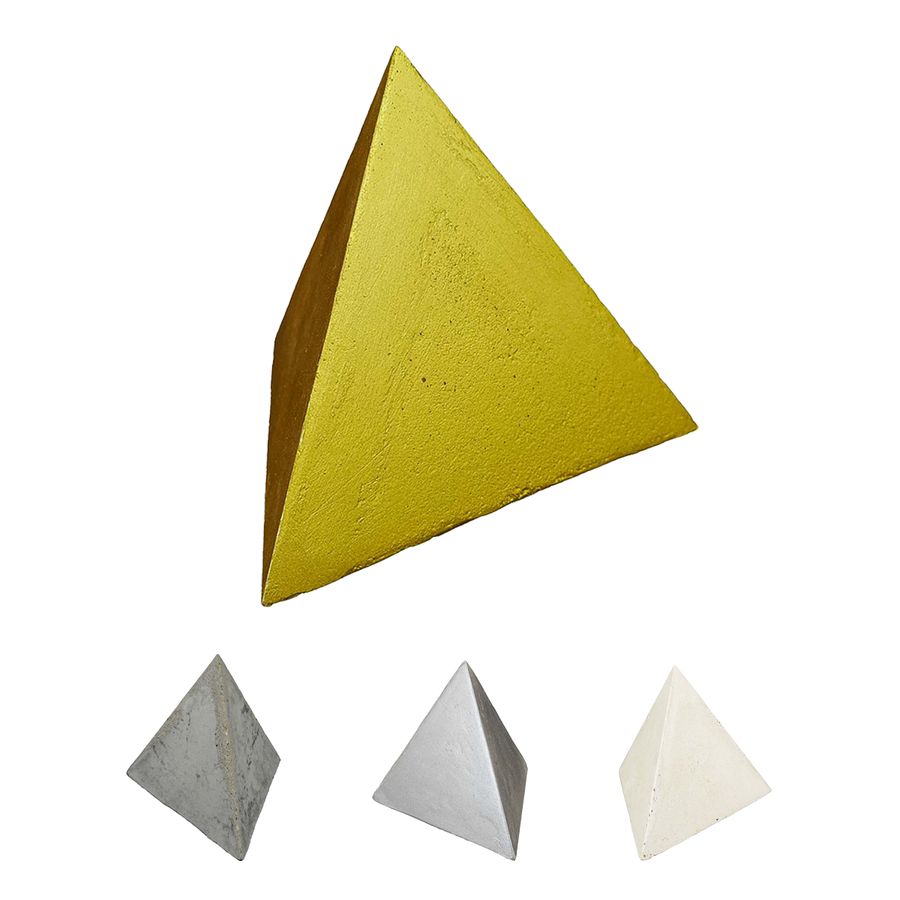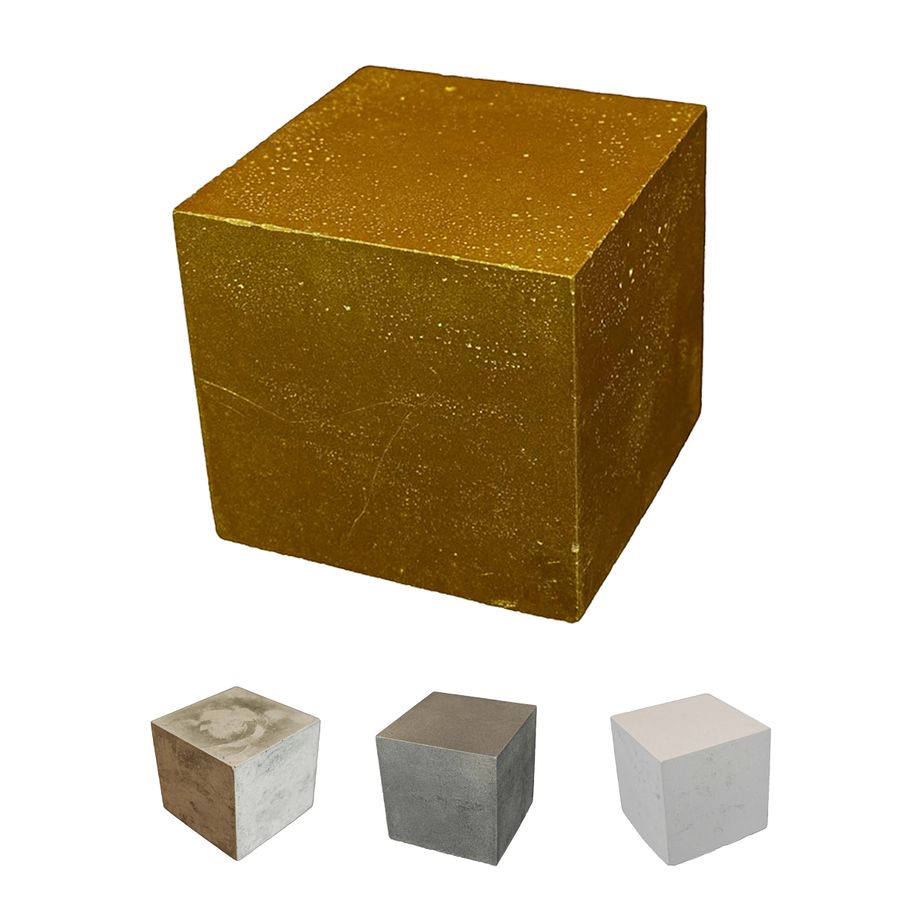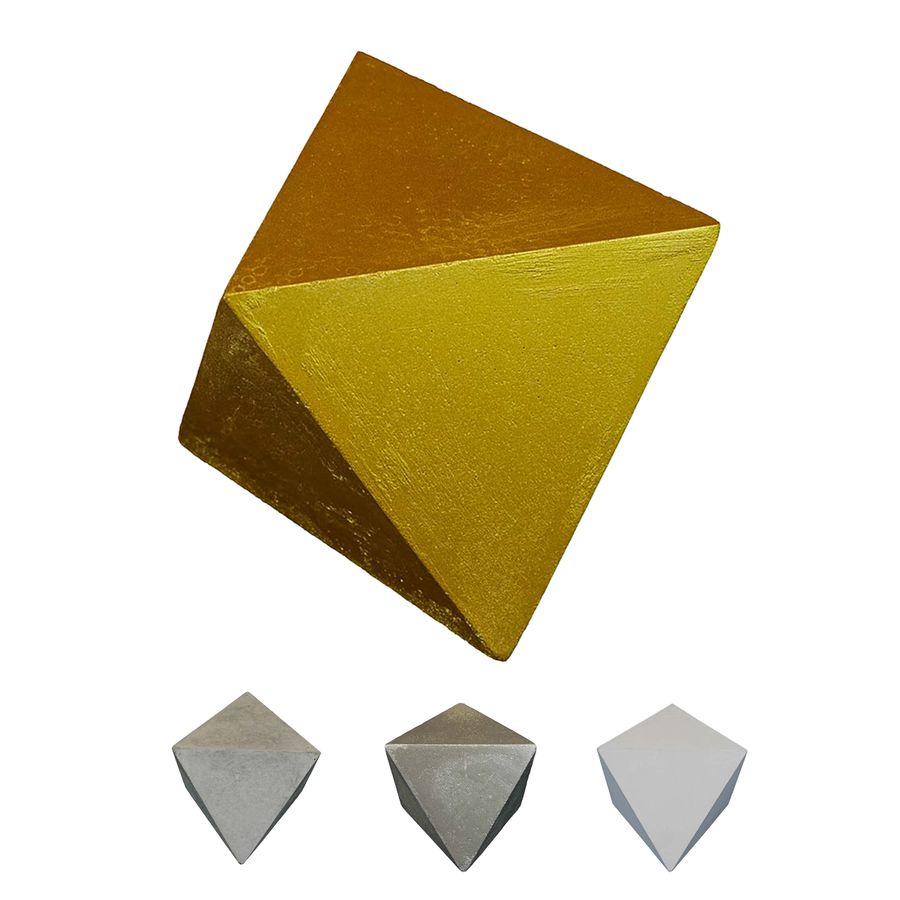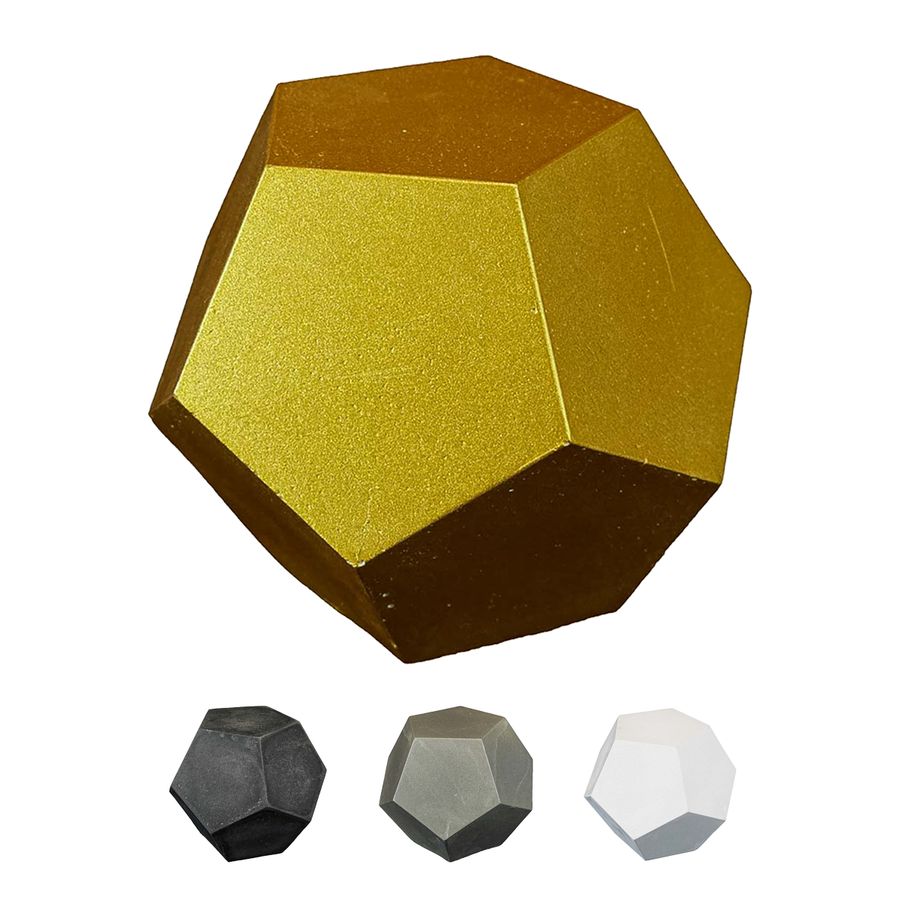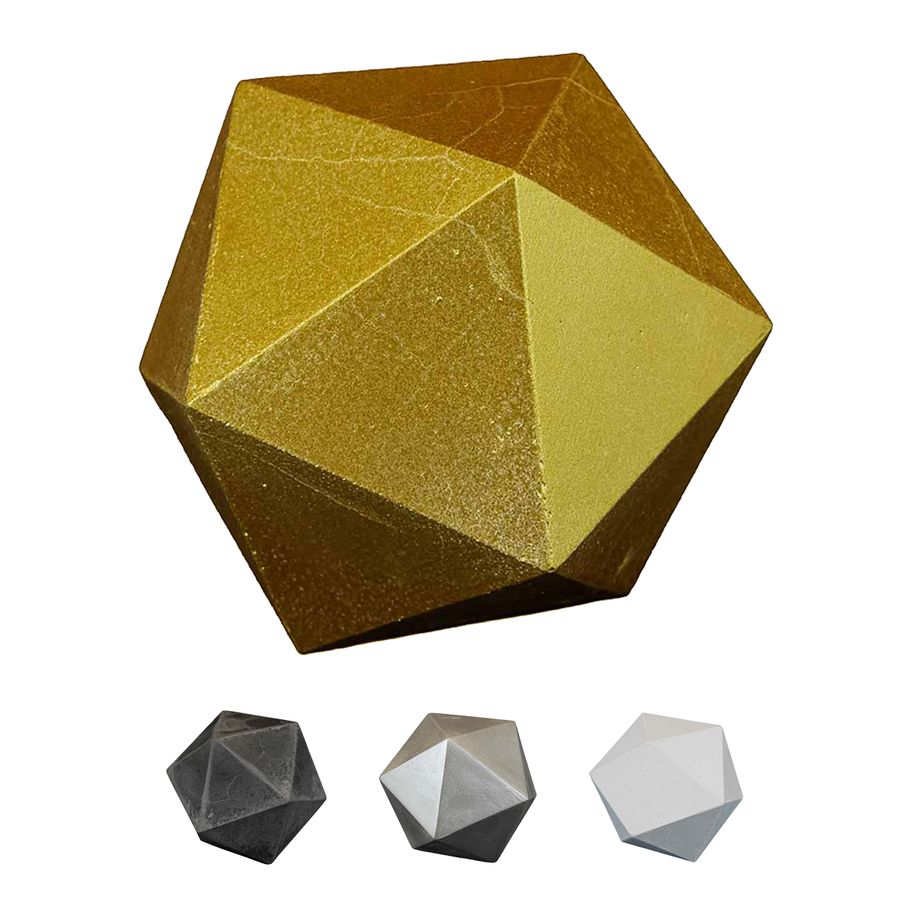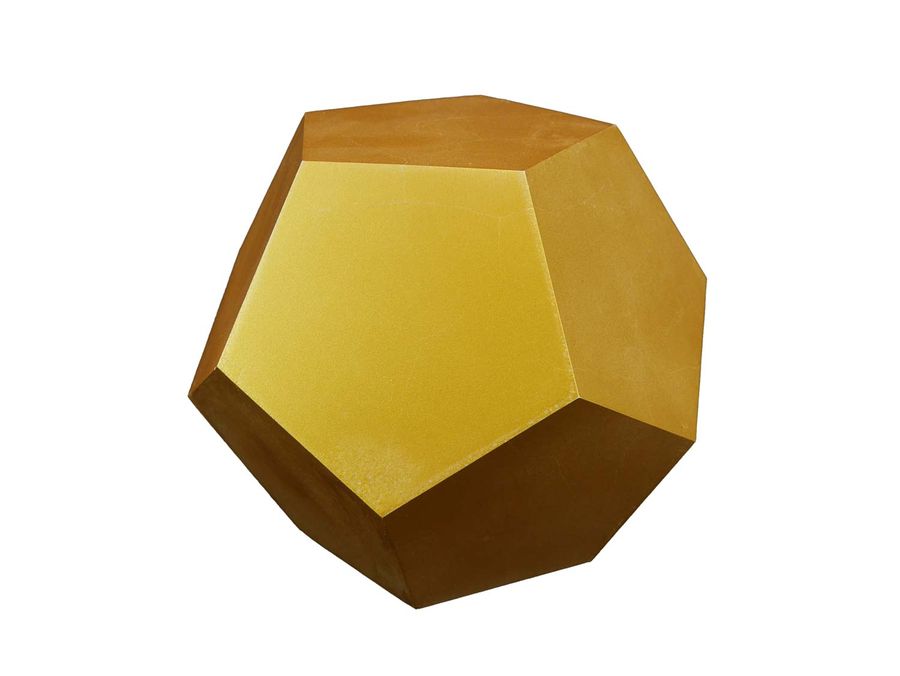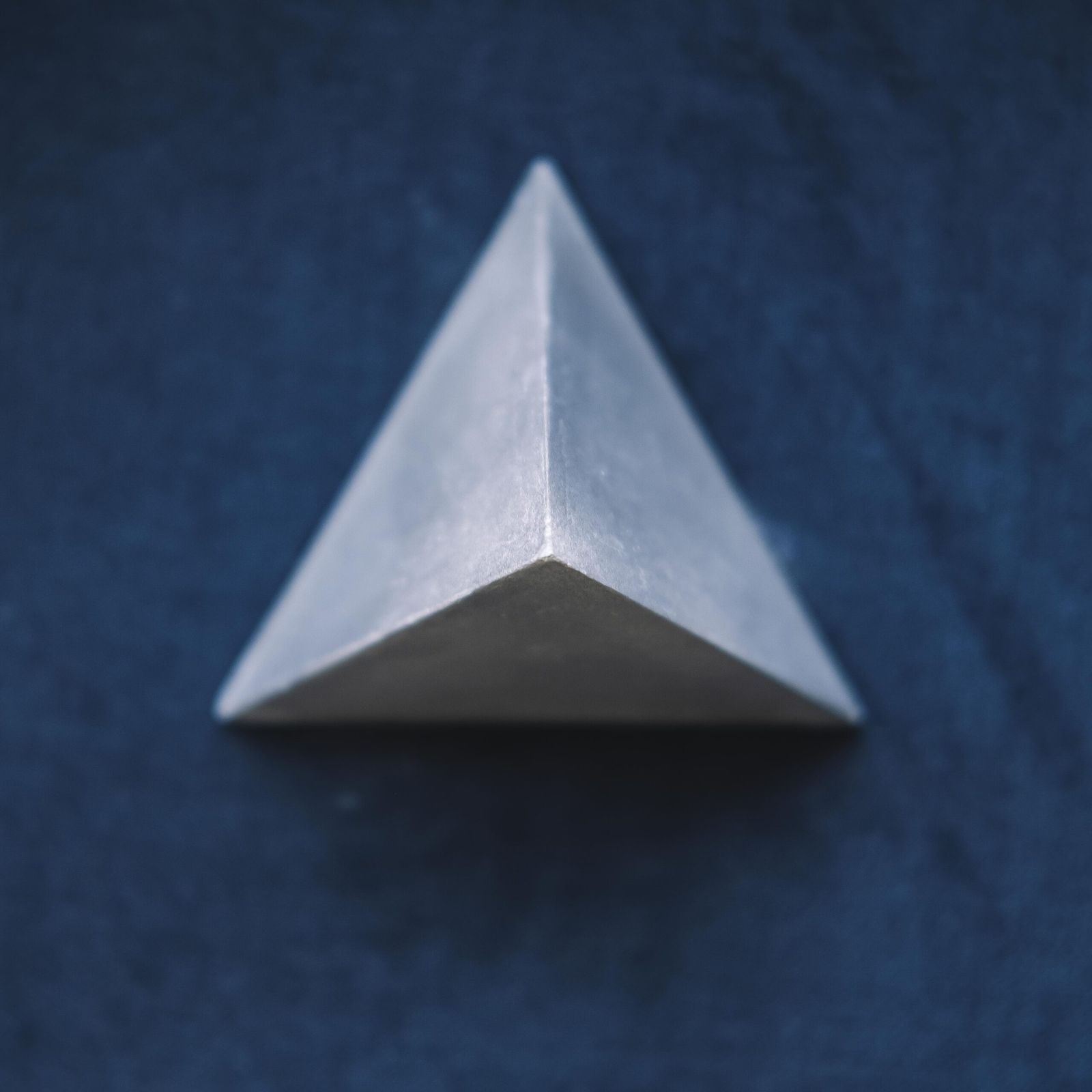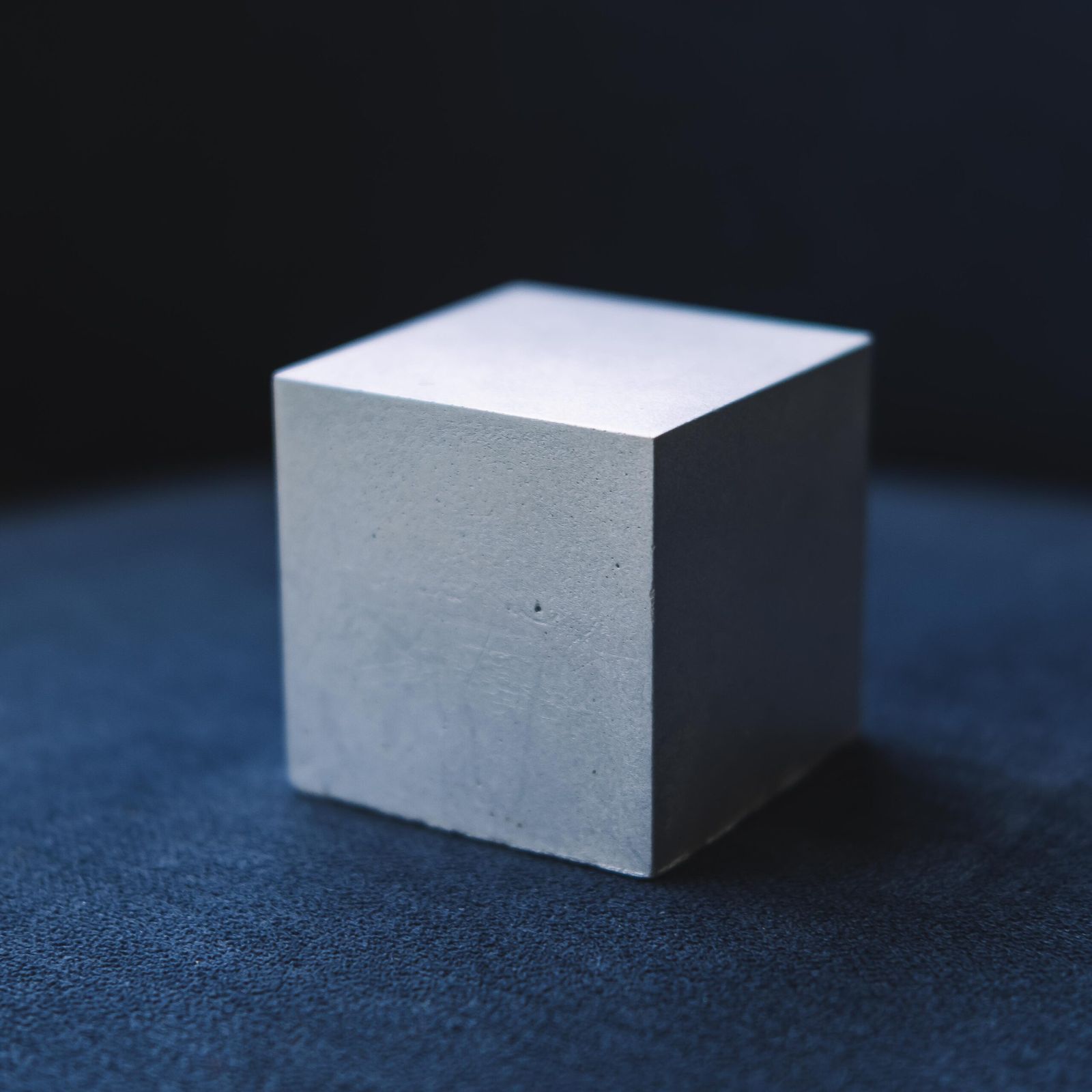
A Platonic solid is convex, so it has no indentations; its faces are all identical and regular, and the same number of them meet at every corner. In the thirteenth book of his “Elements”, Euclid shows that there is no other such solid besides these five.
In his dialogue “Timaeus”, Plato assigns them to the elements: the cube to earth, the tetrahedron to fire, the octahedron to air and the icosahedron to water. As for the dodecahedron, Plato says the god used it for the arrangement of the constellations across the whole sky.
Almost two thousand years later, in 1596, Johannes Kepler tried in his work “Mysterium Cosmographicum” to explain the distances between the planets with the five solids. Each of the five also obeys a rule that Leonhard Euler described in the 18th century: corners minus edges plus faces equals two.